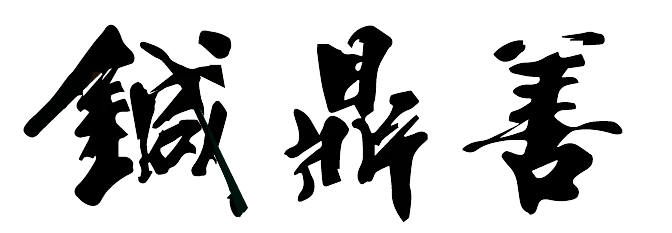
Zhen Ding Shan
Dr. Shy & Dr. Chang · Zhu’s Scalp Acupuncture & Clinical Chinese Medicine

根植於中醫經典,淬鍊於真實臨床,承接朱氏頭皮針的臨床與教育傳承。

Rooted in classical Chinese medicine. Shaped by clinical practice. Carried forward through Zhu’s Scalp Acupuncture.

臨床傳承 Clinical Heritage中醫臨床 Clinical Practice醫學教育 Medical Education國際交流 International Exchange
I.Origins · 傳承起點

朱明清教授Professor Ming Qing Zhu

朱氏頭皮針(Zhu’s Scalp Acupuncture, ZSA)由朱明清教授建立,在1987年朱教授於中國北京首屆世界針聯成立暨學術交流大會,以朱氏頭皮針現場示範治療急性中風偏癱病人,病人當場站立行走,自此他享譽國際。Dr. Ru Shan Shy 與 Dr. Sheng Chun Chang 自 2008 年起跟隨朱教授學習,並自 2013 年起持續參與臨床實踐、教學與 ZSA 教育發展。這段長期臨床傳承,是今天鍼鼎善 ZSA 臨床與教育工作的核心基礎。

Zhu’s Scalp Acupuncture (ZSA) was founded by Professor Ming Qing Zhu. In 1987, at the founding and academic exchange congress of the World Federation of Acupuncture-Moxibustion Societies in Beijing, Professor Zhu demonstrated ZSA live on a patient with acute stroke hemiplegia — who stood and walked on the spot. From that moment, his reputation became international. Dr. Ru Shan Shy and Dr. Sheng Chun Chang began studying under Professor Zhu in 2008, and since 2013 have continued in clinical practice, teaching, and the development of ZSA education. This long clinical transmission is the foundation of Zhen Ding Shan’s clinical and educational work today.

1987年11月北京日報報導朱明清教授朱氏頭皮針中風現場示範
1987年朱教授於北京首屆世界針聯成立暨學術交流大會 — World Federation of Acupuncture-Moxibustion Societies
朱明清教授、施如珊醫師與張勝鈞醫師於急診室
朱明清教授、施如珊醫師與張勝鈞醫師於急診室 · Prof. Zhu, Dr. Shy & Dr. Chang in the Emergency Department
II.Dr. Shy & Dr. Chang

認識兩位醫師Meet the Doctors

今天在鍼鼎善持續進行臨床與國際教育的,是 Dr. Ru Shan Shy 施如珊醫師Dr. Sheng Chun Chang 張勝鈞醫師。兩位醫師的形成,不只來自一套頭皮針方法,也來自中醫、藥學、醫院臨床、多位前輩老師的教導、腦科學與腦心智科學,以及多年跟隨朱明清教授面對真實患者的床邊學習。

Today, clinical practice and international education at Zhen Ding Shan are carried forward by Dr. Ru Shan Shy and Dr. Sheng Chun Chang. Their training was shaped not only by one scalp acupuncture method, but by Chinese medicine, pharmacy, hospital practice, senior mentors, brain sciences and brain–mind sciences, and years of bedside learning alongside Professor Ming Qing Zhu.

朱氏頭皮針傳承工作室於2017年成立於中國泉州
朱氏頭皮針傳承工作室 2017 年成立於中國泉州 · Zhu’s Scalp Acupuncture Heritage Studio, established 2017 in Quanzhou, China
施如珊醫師拜師照
施如珊醫師拜師照 · Dr. Shy’s Discipleship Ceremony
張勝鈞醫師拜師照
張勝鈞醫師拜師照 · Dr. Chang’s Discipleship Ceremony
III.Before Teaching · 臨床先於教學

在成為老師以前,
他們首先是臨床醫師。
Clinical experience before teaching.

學習一套臨床醫學系統,除了知道它從哪裡來,也需要知道今天站在教室裡的老師如何被訓練:他們向哪些老師學習、經歷過什麼臨床環境、面對過什麼樣的患者,以及如何把多年累積的經驗轉化成學生能夠理解、練習並帶回臨床的方法。

Learning a clinical medical system means understanding not only where it comes from, but how the teachers standing in the classroom today were themselves trained: which teachers they studied under, what clinical environments they passed through, what patients they faced, and how years of accumulated experience have been turned into methods students can understand, practise and carry back into the clinic.

Dr. Shy 與 Dr. Chang 都接受過台灣中醫專業訓練,並曾在醫院體系從事中醫臨床工作。他們的訓練形成於中醫、西醫、檢驗、影像、藥物、住院照護與跨專業醫療並存的環境。

Both Dr. Shy and Dr. Chang received professional training in Chinese medicine in Taiwan, and worked clinically within hospital systems. Their training took shape in an environment where Chinese medicine, Western medicine, laboratory testing, imaging, pharmacology, inpatient care and cross-disciplinary practice all coexisted.

在 ZSA 長期臨床傳承之前與過程中,兩位醫師亦曾接受丘應生教授、鍾永祥教授、張縉教授、林源泉老師等前輩的教導與啟發,從脈診、方藥、望診、傳統針灸、飛經走氣、古典針刺手法等不同面向建立臨床基本功。

Before and alongside their long transmission in ZSA, both doctors were also taught and inspired by senior teachers including Professor Ying Sheng Chiu, Professor Yung-Hsiang Chung, Professor Jin Zhang and Teacher Yuan-Chuan Lin — building their clinical foundations through pulse diagnosis, herbal formulas, visual diagnosis, traditional acupuncture, Fei Jing Zou Qi and classical needling techniques.

自 2008 年起,兩位醫師跟隨朱明清教授學習朱氏頭皮針;自 2013 年起,進一步進入持續的臨床實踐與共同教學。學習場域由門診延伸至急診、急重症病房與一般病房等複雜醫療環境。

From 2008, both doctors studied Zhu’s Scalp Acupuncture under Professor Ming Qing Zhu; from 2013, they moved further into ongoing clinical practice and joint teaching. Their learning extended from outpatient clinics into emergency departments, critical care wards and general wards.

患者現在最重要的問題是什麼?哪些功能正在改變?此刻應該治療什麼?治療之後,下一步又該如何調整?What is the patient’s most important problem right now? Which functions are changing? What should be treated at this moment? And after treatment, how should the next step be adjusted?

多年來,這些經驗逐漸形成 Dr. Shy 與 Dr. Chang 今天的臨床與教學方式:不只傳遞治療區域,更把臨床觀察、判斷、治療、導引、功能變化與再評估帶回患者本身。

Over the years, these experiences have gradually shaped the way Dr. Shy and Dr. Chang teach and practise today — not simply passing on treatment zones, but bringing clinical observation, judgement, treatment, Dao Yin, functional change and reassessment back to the patient.

Dr. Shy and Dr. Chang leading clinical stroke training for Zhu's Scalp Acupuncture (ZSA)
Dr. Shy leading a clinical stroke-training session · Zhu's Scalp Acupuncture (ZSA)施如珊醫師與張勝鈞醫師講授中風臨床培訓課程 · 2025澳洲
Dr. Shy and Dr. Chang with Professor Ming Qing Zhu during clinical training for Zhu's Scalp Acupuncture (ZSA)
Dr. Shy and Dr. Chang with Professor Ming Qing Zhu · Zhu's Scalp Acupuncture (ZSA) clinical training施如珊醫師、張勝鈞醫師與朱明清教授 · 朱氏頭皮針臨床培訓
IV.Our Story

鍼鼎善的故事The Story of Zhen Ding Shan

鍼鼎善的由來,台灣朱氏頭皮針,三人合影於招牌下
鍼鼎善的由來 · Origin of Zhen Ding Shan, Taiwan

鍼鼎善(ZHEN DING SHAN)是一個以臨床中醫與朱氏頭皮針為核心,結合臨床實踐、醫學教育與國際交流的品牌。「鍼鼎善」這個名字,源自朱明清教授、施如珊醫師與張勝鈞醫師師徒三人的共同討論。最初以「鍼鼎」為名,其後朱教授親自加入「善」字,使這個名字不只承載針灸與傳承,也多了一層對醫者初心與臨床責任的期許。

Zhen Ding Shan is a brand built around clinical Chinese medicine and Zhu’s Scalp Acupuncture, bringing together clinical practice, medical education and international exchange. The name 鍼鼎善 grew out of discussions between three generations of teacher and students — Professor Ming Qing Zhu, Dr. Ru Shan Shy and Dr. Sheng Chun Chang. It began as 鍼鼎 (Zhen Ding); Professor Zhu later added the character 善 (Shan) himself, giving the name a second layer of meaning beyond acupuncture and lineage — an expectation about a physician’s original intention and clinical responsibility.

診所成立時,朱教授特別邀請大陸連續九屆國家書法冠軍的上海名家周思言先生為「鍼鼎善」題字,並親自撰寫一份充滿期許與祝福的開幕邀請函;朱教授與彭芝芸醫師、蕭慕如醫師及家人亦特別自美國前來參與。對鍼鼎善而言,這不只是一間診所的成立,更是一段從師承、臨床到交付傳承責任的起點。

When the clinic was founded, Professor Zhu specially invited Mr. Siyan Zhou of Shanghai — nine-time national calligraphy champion in mainland China — to inscribe the words 鍼鼎善, and personally wrote an opening invitation letter filled with expectation and blessing. Professor Zhu, together with Dr. Zhiyun Peng, Moyee Siu and family, travelled specially from the United States to attend. For Zhen Ding Shan, this was not simply the opening of a clinic — it marked the beginning of a journey from discipleship, through clinical practice, to the handing over of a lineage’s responsibility.

ZHEN · The Needle

鍼,代表針刺,承襲「一鍼二灸三用藥」的古訓,是醫者面對患者、用來治療的方法與基礎起點。從落針的那一刻起,治療者的專注、判斷與多年累積的經驗,便已與患者的身體產生連結;鍼,是整個治療歷程真正展開的地方。

Zhen represents needling. Following the classical maxim “first the needle, second moxibustion, third herbal medicine,” it is the method and foundational starting point through which a physician meets and treats the patient. From the moment the needle is placed, the practitioner’s attention, judgement and years of accumulated experience begin to connect with the patient’s body. The needle is where the whole course of treatment truly begins.

DING · The Vessel

古代既是承載之器,也是重要的禮器。鼎以三足而立,三足相互支撐,方能穩定承載;對鍼鼎善而言,象徵朱明清教授、施如珊醫師與張勝鈞醫師三位師徒之情,從師承、臨床實踐到 ZSA 教育體系所形成的傳承連結。

In antiquity, both a vessel for holding and an important ceremonial object. A ding stands on three legs, each supporting the other so it can bear weight steadily. For Zhen Ding Shan, it symbolises the bond between three generations — Professor Ming Qing Zhu, Dr. Ru Shan Shy and Dr. Sheng Chun Chang — and the lineage connecting discipleship, clinical practice and the ZSA education system.

SHAN · The Good

提醒我們,醫學最後的目的仍是助人為善、回到幫助患者的初心、建立良好的教學系統讓更多大眾受惠。也提醒醫者在臨床與教學的每一個當下,持續以謙遜、耐心與同理心對待每一位患者與學生,讓善的精神透過一次次的治療與教育不斷延續、傳承下去。

A reminder that the ultimate purpose of medicine remains to do good and to help — returning to the physician’s original intention of helping patients, and building a strong teaching system so more people can benefit. It is also a reminder that in every moment of clinical practice and teaching, physicians should meet each patient and student with humility, patience and empathy — so that the spirit of Shan continues to be carried forward through treatment after treatment, and generation after generation.

鍼鼎善的形成並非從品牌概念開始,而是從多年學習與臨床累積而來。從不同前輩老師的啟發,到長期跟隨朱明清教授學習朱氏頭皮針及建立教學系統,再到自己的診間、教學與國際交流,Dr. Shy 與 Dr. Chang 將這些經驗逐步整合成今天的臨床與教育工作。

Zhen Ding Shan was not built as a brand concept from the outset — it grew out of years of learning and clinical accumulation. From the inspiration of different senior teachers, to long years following Professor Ming Qing Zhu to learn Zhu’s Scalp Acupuncture and build a teaching system, and finally to their own clinic, teaching and international exchange — Dr. Shy and Dr. Chang have gradually woven these experiences into the clinical and educational work of today.

在臨床中反覆思考、修正與累積,最後才可能在既有傳承的基礎上形成新的理解與發展。這也是鍼鼎善看待醫學傳承的方式,在尊重根源的前提下,讓所學真正進入臨床,並持續思考與發展。

Only through repeated reflection, correction and accumulation in the clinic can new understanding and development emerge on the foundation of an existing lineage. This is also how Zhen Ding Shan approaches medical transmission: respecting its roots, while letting what has been learned truly enter the clinic — and continuing to think, and to grow.

V.Zhu’s Scalp Acupuncture

什麼是朱氏頭皮針?What is ZSA?

頭皮針(Scalp Acupuncture)是一種以頭部特定區域作為主要針刺治療部位的針灸方法。朱氏頭皮針(Zhu’s Scalp Acupuncture, ZSA)則在此基礎上,發展出低痛感、具有自身特色的 19 個治療區域、臨床思維與治療方法的頭皮針體系。

Scalp Acupuncture is a form of acupuncture that uses specific zones of the scalp as the primary sites of treatment. Zhu’s Scalp Acupuncture (ZSA) builds on this foundation, developing a low-pain system with its own 19 treatment zones, clinical reasoning and treatment methods.

ZSA 並不只是將針刺入頭皮上的特定位置,也不只是記憶治療位置與疾病之間的對應關係。在 ZSA 的臨床思維中,針刺只是治療過程的開始。

ZSA is not simply about inserting needles into specific points on the scalp, nor about memorising a fixed correspondence between treatment zones and diseases. In ZSA’s clinical thinking, needling is only the beginning of the treatment process.

治療者從患者當下的疾病狀態、症狀與功能表現出發,選擇相應治療區域進行針刺,並結合意念、氣與導引。依患者能力,可主動參與,也可接受協助或被動導引,使受損、受限或失衡的功能進入治療過程。治療者持續觀察變化,再依即時反應進行再評估與調整。

The practitioner starts from the patient’s current disease state, symptoms and functional presentation, selects the corresponding treatment zone for needling, and combines this with intention, Qi and Dao Yin. Depending on the patient’s ability, they may participate actively, or receive assistance and passive guidance — bringing damaged, limited or imbalanced function into the treatment process. The practitioner continuously observes the changes, then reassesses and adjusts based on the real-time response.

朱氏頭皮針,朱明清教授協助患者進行導引動作
朱氏頭皮針 · Professor Zhu & Dr. Chang, Dao Yin Exercise
治療區域 Treatment Zone 針刺 Needling 意念 Intention 氣 Qi 導引 Dao Yin 功能變化 Functional Change 再評估 Reassessment 調整 Adjustment
VI.Rooted in the Classics

源自經典的臨床思維Rooted in the Classics

「經脈者,所以決死生,處百病,調虛實,不可不通。」“The channels determine life and death, govern the hundred diseases, and regulate deficiency and excess — they must not be left unattended.” — Huangdi Neijing

從中醫觀點而言,經脈聯繫人體內外、運行氣血並參與整體功能的協調。疾病、創傷或功能失衡發生時,針灸透過經脈與氣血的調節,支持人體自身的調節能力,為功能與恢復創造更有利的條件。

From the perspective of Chinese medicine, the channels connect the interior and exterior of the body, circulate Qi and blood, and take part in coordinating overall function. When disease, injury or functional imbalance occurs, acupuncture regulates the channels and Qi and blood, supporting the body’s own regulatory capacity and creating more favourable conditions for function and recovery.

古代導引圖像,人形與獸形結合的傳統養生圖繪

Form & Shen形與神

「形」包括形體、結構、姿勢、動作、感覺與可觀察的身體功能;「神」則可理解為生命功能與整體狀態的呈現,包括精神、目光、表情、語言、反應、情志、氣色、活力與和外界互動的狀態。

“Form” (Xing) includes the body’s structure, posture, movement, sensation and observable physical function. “Shen” can be understood as the expression of vital function and overall state — spirit, gaze, expression, speech, responsiveness, emotion, complexion, vitality and the way a person engages with the world around them.

形,是生命的形體、結構與功能;神,是生命功能與整體狀態的呈現。Form reflects structure and function; Shen reflects the expression of the living whole.
VII.The Five Clinical Elements

五個臨床要素The Five Clinical Elements

Needling

選擇相應治療區域並進行針刺,作為啟動治療與後續調節的起點。

Select the corresponding treatment zone and needle it — the starting point that initiates treatment and subsequent regulation.

Intention

治療者與患者的注意與指向,一同參與整個治療過程。

The practitioner’s and patient’s focused attention and intent, both taking part in the treatment process.

Qi

透過頭部相應區域的針刺治療,調動與調節全身之氣,使氣有所向、氣至病所。

Needling the corresponding zones of the scalp mobilises and regulates Qi throughout the body, giving it direction so it reaches the site of disease.

導引
Dao Yin

使患者主動參與治療;若無法主動完成,可接受協助或被動導引。導・令氣和,引・令體柔。

Brings the patient actively into treatment; where active movement isn’t possible, assisted or passive guidance is used instead. Dao guides the Qi into harmony; Yin draws the body into suppleness.

效果
Effect

既是每一次治療後的成果,也是再評估與下一次治療方向及決策的重要依據。

Both the outcome of each treatment and the key evidence for reassessment and the next clinical decision.

VIII.Qi · Dao Yin · Reassessment

氣・導引・再評估Qi, Dao Yin & Reassessment

氣 · Qi

氣提供中醫理解人體生命活動、聯繫與調節的重要框架。ZSA 透過頭部相應治療區域的針刺,調動與調節全身之氣,使氣有所向、氣至病所,帶動氣血運行,支持身體功能恢復與整體調節;治療者也透過氣的變化,感受患者當下的反應與狀態。

Qi provides Chinese medicine with a key framework for understanding the body’s vital activity, connection and regulation. ZSA needles the corresponding zones of the scalp to mobilise and regulate Qi throughout the body, giving it direction so it reaches the site of disease, moving Qi and blood, and supporting functional recovery and overall regulation; through the changing quality of Qi, the practitioner also senses the patient’s response in real time.

治療在頭部,調節在全身;使氣有所向,氣至病所。Treatment happens at the head; regulation happens through the whole body — giving Qi direction, so it reaches the site of disease.

導引 · Dao Yin

「導令氣和,引令體柔。」“Guide the Qi into harmony; lead the body into suppleness.”

導引是 ZSA 治療過程中的重要組成。患者能力許可時,可透過主動動作、感覺、意念或功能活動參與;若因意識、癱瘓、疼痛、重症或其他因素無法主動完成,也可由治療者協助或被動導引。其目的不是單純要求患者「動」,而是讓受損或受限的功能進入治療過程。

Dao Yin is an essential part of the ZSA treatment process. Where the patient is able, they take part through active movement, sensation, intention or functional activity; where consciousness, paralysis, pain, critical illness or other factors prevent this, the practitioner provides assistance or passive guidance instead. The goal is not simply to have the patient “move”, but to bring damaged or limited function into the treatment process itself.

效果與再評估 · Effect & Reassessment

在 ZSA 中,效果不只是治療終點,也是下一步臨床判斷的起點。每次治療後的症狀、動作、感覺、姿勢、平衡、活動能力與整體狀態,都可以成為再評估的依據,並直接引導下一次治療的方向與調整。

In ZSA, the outcome is not simply the end of treatment — it is also the starting point for the next clinical judgement. The symptoms, movement, sensation, posture, balance, functional ability and overall state after each treatment all become evidence for reassessment, directly guiding the direction and adjustment of the next session.

這一次治療的結果,成為下一次臨床判斷的起點。The outcome of one treatment becomes the starting point for the next clinical judgement.

朱氏頭皮針治療現場,導引協助腦部發育遲緩患童完成上肢動作
Zhu's Scalp Acupuncture (ZSA) · needling combined with Dao Yin for a child with developmental delay朱氏頭皮針治療兒童腦部發育遲緩・針刺結合導引
IX.Dynamic Balance & Brain–Body Function

動態平衡與腦—身體功能Dynamic Balance & Brain–Body Function

Dynamic Balance 動態平衡

平衡不是固定不變的狀態,而是一個動態概念。人體每一刻都在因應疾病、活動、情緒、環境、疼痛、疲勞與內外刺激進行調節。恢復平衡並不是回到某一固定數值,而是逐步恢復調節、適應與功能活動的能力。

Balance is not a fixed, unchanging state but a dynamic concept. The body is regulating itself moment to moment in response to disease, activity, emotion, environment, pain, fatigue and internal and external stimuli. Restoring balance does not mean returning to some fixed value — it means gradually restoring the capacity to regulate, adapt and function.

Brain–Body Function 腦—身體功能

動作、感覺、姿勢、平衡、認知、語言、情緒、自主功能與其他身體表現,都可以成為臨床觀察的入口。這些面向不是用來把患者切割成彼此獨立的功能,也不是把 ZSA 限定在單一神經解剖框架中;相反地,它們提供不同角度,幫助治療者探索「患者現在發生了什麼」以及「治療之後改變了什麼」。

Movement, sensation, posture, balance, cognition, language, emotion, autonomic function and other bodily presentations can all become entry points for clinical observation. These are not used to divide the patient into separate, isolated functions, nor to confine ZSA to a single neuroanatomical framework. Instead, they offer different angles that help the practitioner explore what is happening to the patient right now, and what has changed after treatment.

例如,同一位患者的步態改變可能同時牽涉力量、感覺、平衡、姿勢控制、疼痛、注意力與信心;語言或動作的改變,也可能伴隨精神、反應速度與整體狀態的變化。因此,腦—身體功能在這裡是一種觀察與延伸思考的視角,用來協助臨床比較、再評估與形成下一步治療決策。

A single patient’s change in gait, for instance, may involve strength, sensation, balance, postural control, pain, attention and confidence all at once; a change in language or movement may likewise come with shifts in alertness, response speed and overall state. Brain–body function is therefore a lens for observation and extended thinking here — used to support clinical comparison, reassessment and the next treatment decision.

X.Masters & Mentors

啟發與教導我們的老師Masters & Mentors

一位臨床醫師的形成,很少只來自一位老師。Dr. Shy 與 Dr. Chang 在中醫藥與針灸的學習道路上,有幸接受不同前輩醫家的教導。這些經驗不是彼此分離的技術收藏,而逐漸成為今天觀察患者、判斷病情與選擇治療方法的臨床底蘊。

A clinician is rarely shaped by just one teacher. On their path through Chinese medicine and acupuncture, Dr. Shy and Dr. Chang have been fortunate to learn from a number of senior physicians. These experiences are not a collection of separate techniques — they have gradually become the clinical foundation from which they observe patients, judge conditions and choose treatments today.

Professor Ying-Sheng Chiu
丘應生教授
脈診 · 方藥 · 針灸 · 中醫眼科

丘教授長期於新竹深耕中醫眼科與眼針療法,是台灣中醫界備受推崇敬重的針灸名家,累積數千次眼內針灸臨床經驗,以「膽大心細」的施針風格聞名,協助許多黃斑部病變、青光眼、視神經萎縮等眼疾患者改善視力。丘教授的教導使兩位醫師重視:治療之前,先了解患者當下的陰陽、氣血與整體狀態,再思考針灸、方藥、眼科治療與不同治療方法如何運用。

Professor Chiu has spent decades based in Hsinchu developing Chinese-medicine ophthalmology and eye acupuncture, and is a widely respected acupuncture master within Taiwan’s TCM community. Drawing on thousands of intraocular acupuncture treatments, he is known for a style described as “bold yet meticulous,” helping many patients with macular degeneration, glaucoma, optic nerve atrophy and other eye conditions improve their vision. Professor Chiu’s teaching led both doctors to prioritise understanding a patient’s Yin-Yang, Qi and blood, and overall state before treatment — only then considering how acupuncture, herbal formulas, ophthalmology treatment and other methods should be applied.

丘應生教授

2013年於台中中國醫藥大學附設醫院2013, at China Medical University Hospital, Taichung

Professor Yung-Hsiang Chung
鍾永祥教授
傳統針灸 · 飛經走氣 · 經氣 · 針刺手法

透過傳統針灸與飛經走氣的臨床訓練,兩位醫師進一步體會到,經脈、氣血、得氣、針刺手法與「氣至病所」並非彼此分離的概念,而需要透過反覆被指導、訓練、親身體會與臨床上實作校正逐步建立。

Through clinical training in traditional acupuncture and Fei Jing Zou Qi, both doctors came to understand that the channels, Qi and blood, needle sensation, needling technique and “Qi reaching the site of disease” are not separate concepts — they are built gradually through repeated guidance, training, first-hand experience and clinical correction.

鍾永祥教授

2008 年與鍾永祥老師於台中東勢2008, with Teacher Yung-Hsiang Chung in Dongshi, Taichung

Professor Jin Zhang
張縉教授
古典針灸 · 針刺手法

透過張教授對古典針刺手法的講解、示範與親身體驗,兩位醫師得以感受傳統針刺在操作、得氣與身體反應上的細緻變化。張教授對古典針法的深厚理解與臨床示範,也為兩位醫師日後思考針刺手法、經氣與臨床反應提供了重要啟發。

Through Professor Zhang’s explanations, demonstrations and hands-on experience of classical needling technique, both doctors came to feel the fine changes in handling, needle sensation and bodily response within traditional needling. His deep understanding of classical technique and clinical demonstration became an important inspiration for how they would later think about needling technique, channel Qi and clinical response.

張縉教授
張縉教授

氣滿自搖現場示範Live Demonstration: “When Qi Fully Arrives”

Teacher Yuan-Chuan Lin
林源泉老師
望診 · 四診 · 中醫診察

醫者也需要訓練觀察力。中醫望聞問切四診之中,望診為四診之首,林老師對望診與四診的教導,使兩位醫師更加重視「看見患者」。治療前透過神、色、形、態與動作等表現建立判斷;治療中持續比較;治療後再從神色、姿勢、語言、精神與功能變化重新評估。

Physicians, too, must train their powers of observation. Among the four diagnostic methods of Chinese medicine — observation, listening and smelling, inquiry, and pulse-taking — observation comes first. Teacher Lin’s teaching in visual diagnosis and the four diagnostic methods led both doctors to place greater weight on truly “seeing the patient”: forming judgement before treatment through Shen, complexion, form, bearing and movement; continuously comparing during treatment; and reassessing afterward from changes in complexion, posture, speech, spirit and function.

林源泉老師

2016 林源泉老師及丘應生老師參加鍼鼎善開幕茶會2016, Teacher Yuan-Chuan Lin and Professor Ying-Sheng Chiu attending the Zhen Ding Shan Opening Reception

老師幫助我們建立的能力,在臨床中融會貫通,
讓這些能力最終又回到患者身上,也傳授給更多醫者。
The abilities our teachers helped us build come together in the clinic —
and ultimately return to patients, and pass on to more physicians.
XI.Clinical Transmission

臨床經驗傳承Clinical Experience Transmission

《黃帝內經》:「經脈者,所以決死生,處百病,調虛實,不可不通。」Huangdi Neijing: “The channels determine life and death, govern the hundred diseases, and regulate deficiency and excess.”

長期跟隨朱明清教授的學習,是 Dr. Shy 與 Dr. Chang ZSA 臨床形成的核心傳承。朱教授的教導不只在治療區域,更在如何把傳統針灸、經脈氣血、針刺手法、望診、氣至病所與導引帶入真實患者的治療。

Years of study under Professor Ming Qing Zhu form the core of how Dr. Shy and Dr. Chang’s ZSA practice took shape. Professor Zhu’s teaching was never only about treatment zones — it was about how to bring traditional acupuncture, the channels and Qi and blood, needling technique, visual diagnosis, Qi reaching the site of disease, and Dao Yin into the treatment of real patients.

其中重要的一部分,是面對「危、急、重、癱」等複雜臨床問題。從急診、急重症病房、一般病房到門診,面對中風、癱瘓、神經功能障礙與明顯功能受損的患者,學習不再只是記住方法,而是必須在患者當下的狀態中作出判斷。

An important part of this was facing complex clinical problems — critical, urgent, severe and paralytic presentations. From the emergency department, critical care and general wards to outpatient clinics, treating patients with stroke, paralysis, neurological impairment and marked functional loss, learning was no longer simply memorising methods — it meant making judgements within the patient’s state in the moment.

過去,朱教授會先說明疾病與當下臨床狀態、治療思路與治療要點,再親自示範;之後讓學生實際操作,透過手把手教學、即時反饋與直接校正,調整治療區域、進針、手法與導引。最後再回到患者身上,觀察症狀、動作、感覺與功能是否發生變化,並據此重新思考下一步治療。

Professor Zhu would first explain the disease, the patient’s current clinical state, the treatment approach and its key points, then demonstrate it himself. Students would then practise directly, with hands-on teaching, real-time feedback and immediate correction of treatment zone, needle placement, technique and Dao Yin. Finally, attention returned to the patient — observing whether symptoms, movement, sensation and function had changed, and rethinking the next step of treatment accordingly.

朱氏頭皮針國際培訓病房臨床教學
國際培訓病房臨床教學 · International Training Ward, Clinical Teaching
理解 Understand 示範 Demonstrate 操作 Practice 即時反饋 Real-time Feedback 親自校正 Correction 再次實踐 Re-practice 回到患者 Back to the Patient

需要時間傳遞的,是技術、經驗及背後的臨床判斷。What takes time to pass on is not just technique, but experience and the clinical judgement behind it.

鍼鼎善朱氏頭皮針診所台灣
鍼鼎善朱氏頭皮針診所 · Zhen Ding Shan Clinic, Taiwan
XII.From Learning to Responsibility

從受教,到承擔From Learning to Responsibility

傳承,不只是一份榮耀;更是一份責任。Lineage is not only an honour — it is a responsibility.

曾經,走進老師的診間學習。後來,老師們走進了鍼鼎善。診所成立時,多位曾給予教導、啟發與支持的前輩老師親臨現場。多年後再看這些影像,留下的不只是一場開幕的記憶,而是一段醫學道路進入另一個階段的見證。

Once, they walked into their teachers’ clinics to learn. Later, their teachers walked into Zhen Ding Shan. When the clinic opened, a number of senior teachers who had taught, inspired and supported them were there in person. Looking back at these images years later, what remains is not simply the memory of an opening — it is a witness to a medical path entering a new stage.

從老師的診間,到自己的診間。改變的是位置;承接下來的,是老師的祝福、期望,以及對臨床與患者的責任。

From a teacher’s clinic to a clinic of their own. What changes is the place; what is carried forward is a teacher’s blessing, expectation, and responsibility to the clinic and its patients.

XIII.Three Generations

三代同框・一脈相承Three Generations, One Lineage

三代同框,朱氏頭皮針跨世代師徒傳承合影
三代同框・一脈相承 · Three Generations, One Lineage

一張照片,留下不同世代的相遇,也留下朱氏頭皮針跨世代師徒傳承的重要時刻。從上一代的教導,到下一代的學習、臨床與教學,傳承不是停留在一張照片裡,而是在一次次實踐中持續向前。

A single photograph preserves a meeting of generations, and a milestone in Zhu’s Scalp Acupuncture’s cross-generational transmission. From the teaching of one generation to the learning, clinical practice and teaching of the next, lineage does not stay still in a photograph — it keeps moving forward through practice after practice.

2014 年美國朱明清教授退休紀念暨學術交流期間,留下了一張極具傳承意義的五人合影:李鼎老師(朱教授的老師)、朱明清教授、蕭慕如醫師、施如珊醫師與張勝鈞醫師。

During Professor Ming Qing Zhu’s 2014 retirement commemoration and academic exchange in the United States, a photograph of great significance to the lineage was taken — five people together: Teacher Li Ding (Professor Zhu’s own teacher), Professor Ming Qing Zhu, Moyee Siu, Dr. Ru Shan Shy and Dr. Sheng Chun Chang.

李鼎老師代表上一代的針灸學術與臨床傳承;朱教授承接前輩的學術與臨床啟發,進一步建立與發展朱氏頭皮針。蕭慕如醫師作為 ZSA 的共同創辦人,長期參與 ZSA 的建立、發展與傳播;施如珊醫師與張勝鈞醫師則自 2008 年起跟隨朱教授學習,並在後續長期臨床實踐與共同教學中,逐步承接 ZSA 的臨床與教育責任。

Teacher Li Ding represents the previous generation’s academic and clinical lineage in acupuncture; Professor Zhu carried forward his teacher’s academic and clinical inspiration, further building and developing Zhu’s Scalp Acupuncture. Moyee Siu, as co-founder of ZSA, has long taken part in its founding, development and spread; Dr. Ru Shan Shy and Dr. Sheng Chun Chang, who have studied under Professor Zhu since 2008, have gradually taken on ZSA’s clinical and educational responsibilities through years of clinical practice and joint teaching.

XIV.Dr. Ru Shan Shy 施如珊醫師
施如珊醫師

From hospital-based Chinese medicine to brain science and clinical education

從醫院中醫臨床、腦科學,到醫學教育

施如珊醫師為台灣考試合格中醫師,畢業於台灣中國醫藥大學學士後中醫學系,曾任中國醫藥大學附設醫院針灸科醫師,並曾於腦科學研究所進修。

Dr. Ru Shan Shy is a licensed Chinese medicine physician in Taiwan, a graduate of the Post-Baccalaureate Program in Chinese Medicine at China Medical University, and a former physician in the Division of Chinese Acupuncture Medicine at China Medical University Hospital, with advanced studies at a brain science institute.

在中國醫藥大學及其附設醫院的訓練與工作經驗,使她的中醫學習形成於中醫與現代醫療並行的醫院環境。除中醫臨床訓練外,也曾至西醫部門進修與學習,接觸檢驗、影像、住院醫療、照護與跨專業醫療。同時,不同中醫前輩老師在脈診、方藥、傳統針灸、飛經走氣、古典針刺手法、望診與四診等面向的教導,也逐步建立她面對患者時的臨床基本功。

Her training and work at China Medical University and its affiliated hospital shaped her Chinese medicine learning within a hospital environment where Chinese and modern medicine operated side by side. Beyond clinical training in Chinese medicine, she also studied in Western medicine departments, working with laboratory testing, imaging, inpatient care and cross-disciplinary practice. At the same time, teaching from senior Chinese medicine physicians in pulse diagnosis, herbal formulas, traditional acupuncture, Fei Jing Zou Qi, classical needling technique, and visual and four-method diagnosis gradually built her clinical foundations for treating patients.

自 2008 年起,施醫師跟隨朱明清教授學習朱氏頭皮針;自 2013 年起持續進行臨床學習與實踐,並參與臨床教學、ZSA 學習系統設計,以及系列課程內容的整理、增修與教學發展。多年床邊學習由門診延伸至急診、急重症病房與一般病房。朱教授的教學亦強調中醫臨床思維與現代醫學資訊之間的相互參照,使學生在面對複雜患者時,不只理解經脈、氣血與針灸治療,也能結合疾病狀態、檢查、影像、藥物與整體醫療情境進行判斷。

From 2008, Dr. Shy studied Zhu’s Scalp Acupuncture under Professor Ming Qing Zhu; from 2013, she continued in ongoing clinical learning and practice, taking part in clinical teaching, ZSA curriculum design, and the organisation and development of the course series. Years of bedside learning extended from outpatient clinics into emergency departments, critical care and general wards. Professor Zhu’s teaching also emphasised cross-referencing Chinese medicine clinical reasoning with modern medical information, so that students facing complex patients could understand the channels, Qi and blood, and acupuncture treatment, while integrating disease state, investigations, imaging, medication and the overall medical context into their judgement.

後續的腦科學進修,提供她另一個理解神經系統、腦—身體功能與功能變化的觀察角度。長期跟隨朱教授,並與彭芝芸醫師及蕭慕如醫師共同參與 ZSA 的臨床、教學與教育活動,也使她逐步累積從臨床經驗到課程設計與教學轉化的能力。今天 Dr. Shy 特別重視如何把複雜的臨床思考整理成學生可以理解、操作、反覆練習並逐步建立能力的學習系統。

Her subsequent advanced studies in brain science gave her another lens for understanding the nervous system, brain–body function and functional change. Years alongside Professor Zhu, and working with Dr. Zhiyun Peng and Moyee Siu on ZSA’s clinical, teaching and educational activities, gradually built her ability to translate clinical experience into curriculum design and teaching. Today, Dr. Shy places particular emphasis on organising complex clinical thinking into a learning system students can understand, practise, repeat and use to build ability step by step.

觀察患者 Observe 找出治療核心 Identify Core Issue 動手治療 Treat 看見變化 Observe Change 再思考下一步 Reassess
Licensed TCM Physician, Taiwan · Former Physician, Division of Chinese Acupuncture Medicine, China Medical University Hospital · Advanced Studies in Brain Science · ZSA Clinician & Educator
XV.Dr. Sheng Chun Chang 張勝鈞醫師
張勝鈞醫師

Pharmacy, Chinese medicine, hospital practice and brain–mind sciences

從藥學、中醫臨床、醫院實務,到腦與心智科學

張勝鈞醫師為台灣考試合格中醫師及西藥師,畢業於國立臺灣大學藥學系,曾於台中慈濟醫院中醫部從事婦科與兒科臨床,並曾於國立臺灣大學醫學院腦與心智科學研究所進修。

Dr. Sheng Chun Chang is a licensed Chinese medicine physician and registered pharmacist in Taiwan, a graduate of the School of Pharmacy at National Taiwan University, a former physician in gynecology and pediatrics at the Department of Chinese Medicine, Taichung Tzu Chi Hospital, with advanced studies at the Graduate Institute of Brain and Mind Sciences, National Taiwan University College of Medicine.

藥學訓練使他從藥理、疾病與現代醫學建立基礎;進入中醫臨床後,又從經脈、氣血、整體狀態與患者個別差異重新理解疾病。醫院工作則使不同醫學背景真正回到每天面對的患者與整體醫療情境。

His pharmacy training built a foundation in pharmacology, disease and modern medicine; entering Chinese medicine practice, he came to understand disease again through the channels, Qi and blood, overall state, and individual patient differences. Hospital work brought these different medical backgrounds back to the patients he faced every day, within the wider medical context.

自 2008 年起跟隨朱明清教授學習後,張醫師同樣經歷從門診到急診、急重症病房與一般病房的長期臨床學習。後續在腦與心智科學的進修,提供另一個觀察神經、認知、動作與身體功能的角度。

After beginning his studies under Professor Ming Qing Zhu in 2008, Dr. Chang likewise moved through long clinical learning from outpatient clinics to emergency departments, critical care and general wards. His later studies in brain and mind sciences provided another lens for observing neurology, cognition, movement and physical function.

眼前這位患者現在真正需要的是什麼?What does the patient in front of me actually need right now?

從患者當下的需要、功能與治療優先順序切入,再決定治療方向——這比單純背誦疾病名稱與治療區域的對照更重要。現代患者往往同時接受中醫、西醫、藥物、檢查或復健等不同治療,因此臨床判斷也需要理解患者目前的整體醫療情境,在既有治療基礎上思考此刻最適合、最有助於患者的介入方向。

Starting from the patient’s immediate needs, function and treatment priorities before deciding a direction of treatment matters more than simply memorising a fixed correspondence between disease names and treatment zones. Today’s patients are often receiving Chinese medicine, Western medicine, medication, investigations or rehabilitation all at once, so clinical judgement also requires understanding the patient’s overall medical context — considering, on top of existing treatment, what intervention would best help the patient right now.

Licensed TCM Physician & Pharmacist, Taiwan · Former Physician, Department of Chinese Medicine, Taichung Tzu Chi Hospital (Gynecology & Pediatrics) · Advanced Studies, Brain & Mind Sciences · ZSA Clinician & Educator
XVI.How We Teach

我們的教學 不是要你只學會 在頭上插針Our Teaching Is Not Just About Learning to Insert Needles into the Scalp

ZSA 課程的目的,不是讓學生離開教室時只多記住幾個治療區域。Dr. Shy 與 Dr. Chang 希望學生逐步學會:如何看患者、如何思考、如何選擇治療、如何使用導引、如何觀察變化、如何操作針刺手法並運用於臨床,以及如何讓患者的反應告訴你下一步應該做什麼。如何學會真正能夠讓病人受惠的能力,遠比照本宣科有用。

The goal of ZSA courses is not for students to leave the classroom having simply memorised a few more treatment zones. Dr. Shy and Dr. Chang want students to gradually learn: how to look at a patient, how to think, how to choose treatment, how to use Dao Yin, how to observe change, how to operate needling technique and apply it clinically, and how to let the patient’s response tell you what to do next. Learning the ability to genuinely benefit patients matters far more than reciting a textbook.

我們有一系列的課程,包括基礎、臨床實作與進階,教學強調臨床示範、學生實作、即時反饋、病例討論、功能觀察與再評估。學生先觀察老師如何判斷,再透過示範理解方法;接著在指導下親自操作、接受校正,反覆練習如何觀察患者的反應與功能變化。如何有效率地傳達 ZSA 的內涵與精髓,是我們的特色。

Our course series spans basic, clinical practicum and advanced levels, with teaching that emphasises clinical demonstration, student practice, real-time feedback, case discussion, functional observation and reassessment. Students first observe how a teacher judges, then understand the method through demonstration; they then practise hands-on under guidance, receive correction, and repeat until they can observe a patient’s response and functional change for themselves. Conveying the substance and essence of ZSA efficiently is what distinguishes our teaching.

隨著病例與實作經驗累積,學生逐漸從「知道怎麼做」,走向「理解為什麼這樣做」,再進一步學會依患者當下狀態調整治療。最終目標,是逐步建立獨立觀察、思考、治療、再評估與作出下一步臨床決策的能力。

As case experience and hands-on practice accumulate, students move from “knowing what to do” toward “understanding why”, and further toward adjusting treatment to a patient’s state in the moment. The ultimate goal is to build, step by step, the ability to independently observe, think, treat, reassess and make the next clinical decision.

2024 澳洲講座 Australia
2024 澳洲講座 Australia
2026 澳洲講座 Australia
2026 澳洲講座 Australia
2026 洛杉磯講座 Los Angeles
2025 教授澳洲中風進階班 Advanced Stroke Course, Australia
XVII.From Asia to the World

從亞洲走向世界From Asia to the World

2013
Beijing 北京
Beijing Scalp Acupuncture Lecture
北京頭皮針講座
2013
Beijing 北京
Beijing University of Chinese Medicine, Specialized Acupuncture Forum
北京中醫藥大學特色針法論壇
2014
Shanghai 上海
First World Congress of Chinese Medicine
ZSA Academic Presentation · 首屆世界中醫藥學會聯合會相關朱氏頭皮針學術發表
2014
United States 美國
Professor Zhu Retirement Commemoration
朱教授退休紀念暨學術交流
2014–2019
China 中國各地
ZSA Clinical Transmission & Hospital-Based Training
ZSA 傳承教學講座、系列教學與醫院臨床實習教學
2015
Taiwan 台灣
Professor Zhu-authorized ZSA Clinic Established
朱教授授權之 ZSA 臨床與教學傳承診所開立
2015
Shanghai 上海
ZSA Teaching with Professor Zhu
與朱教授共同參與 ZSA 系列教學,含基礎班與臨床進階系列課程
2016
Malaysia 馬來西亞
First ZSA Class in Malaysia
馬來西亞首次開辦朱氏頭皮針課程
2018
Taiwan 台灣
Lecture at Academia Sinica
台灣中央研究院演講
2018–2019
Sweden 瑞典
Clinical & Academic Exchange
臨床與學術交流
2019
Sweden 瑞典
Stroke Academic Research Proposal
瑞典中風學術研究提案
2019
Taiwan 台灣
Academia Sinica Research Project
台灣中央研究院研究案
2020–2022
Global 全球
Global Pandemic · Teaching & Exchange Paused
疫情期間,ZSA 教學、國際交流中斷
2023
Tokyo 日本東京
Academic Congress & Exchange
學術會議與交流
2024
Australia 澳洲
International ZSA Education Begins
ZSA 澳洲國際教學展開
2024
Europe 歐洲
ETCMA Academic Exchange
歐洲中醫學會(ETCMA)參訪交流
2025
Australia 澳洲
Basic Course
基礎班
2025
Australia 澳洲
Advanced Stroke Education
中風進階課程
2025
Australia 澳洲
Brain Injury Advanced Course & Clinical Practicum
腦損傷進階課程及臨床實作教學
2025
Online 線上
ZSA Seminar & Webinar Series
Sustainhealth Academy 線上研討會系列,施如珊醫師與張勝鈞醫師分享中風與腦部疾病臨床病例
2026
Europe / Netherlands 歐洲・荷蘭
International Webinar
歐洲國際線上學術交流
2026
Australia 澳洲
AACMAC 2026 · Melbourne
國際學術交流與 ZSA 臨床教育
2026
Amsterdam, Netherlands 荷蘭阿姆斯特丹
Basics of Zhu’s Scalp Acupuncture
Sustainhealth Academy 基礎實體課程
2026
Los Angeles, USA 美國洛杉磯
Basics of Zhu’s Scalp Acupuncture
Sustainhealth Academy 基礎實體課程
2027
Melbourne, Australia 澳洲墨爾本
Basics of Zhu’s Scalp Acupuncture
Sustainhealth Academy 基礎實體課程(即將開放報名)
XVIII.International Collaboration

國際合作與學術交流International Collaboration & Academic Exchange

ZSA 的國際發展不只是課程移動,更包含不同醫療文化、臨床經驗與教育體系之間的交流。從亞洲、歐洲、澳洲到北美,透過學術會議、醫學會交流、醫院參訪、臨床教育、學術研究、實體課程與 Webinar,Dr. Shy 與 Dr. Chang 持續把 ZSA 的臨床與教育經驗帶入不同專業社群。

The international development of ZSA extends beyond the delivery of courses. Through academic conferences, professional associations, hospital visits, clinical education, academic research, seminars and webinars, Dr. Shy and Dr. Chang continue to bring ZSA clinical and educational perspectives into dialogue with professional communities across Asia, Europe, Australia and North America.

XX.Contact · Education

與施如珊醫師、張勝鈞醫師在承道學院一同學習

Learn with Dr. Shy & Dr. Chang at Sustainhealth Academy

國際 ZSA 教育・學術合作・臨床中醫教育・Webinar 與專業交流

Get in Touch

聯絡我們Contact & International Education

如果您是希望進一步了解朱氏頭皮針課程的醫療專業人士,或有意邀請國際教學與學術交流,歡迎透過以下方式與我們聯繫。

If you are a healthcare professional interested in ZSA courses, or would like to invite international teaching and academic exchange, please reach out through any of the channels here.